In today’s rapidly evolving digital landscape, robust IT support is no longer a luxury but a fundamental necessity for Australian businesses. From safeguarding sensitive data to ensuring seamless operations, a proactive IT strategy is paramount for growth and stability.
Navigating the complexities of modern technology can be daunting, especially for small to medium-sized enterprises (SMEs). This is where expert IT support comes into play, acting as a crucial partner in securing your digital assets and empowering your business for success.
Navigating the Modern Business Landscape with Confidence: Your IT Security Imperative
The Australian business environment is increasingly reliant on digital infrastructure. For SMEs, maintaining a competitive edge means not only adopting new technologies but also ensuring they are secure and well-managed. Without a comprehensive IT security strategy, businesses expose themselves to significant risks that can derail operations, damage reputations, and incur substantial financial losses. Investing in appropriate IT support services ensures that your technology works for you, not against you, providing the foundation for secure and efficient operations. This proactive stance allows businesses to confidently embrace innovation while mitigating potential threats.
Understanding the critical role of IT security is the first step. It’s about more than just installing antivirus software; it encompasses a holistic approach to protecting your digital assets, employee data, and customer information from a growing array of sophisticated threats. Expert IT support providers offer the expertise and resources necessary to implement and manage these vital security measures, allowing business owners to focus on their core competencies and strategic objectives. This ensures that your IT environment is resilient and prepared for the challenges of the modern marketplace.
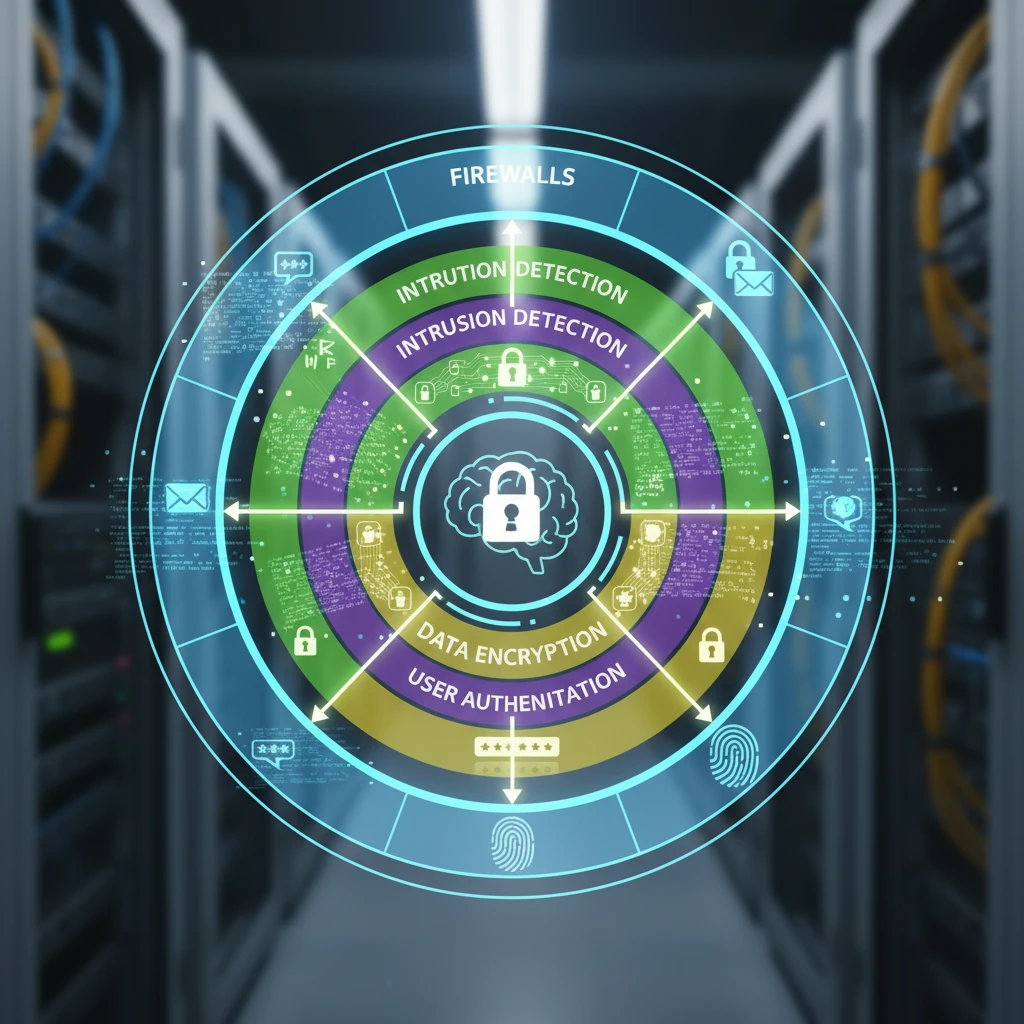
Understanding Today’s Evolving Cyber Threats (2026)
The threat landscape is in constant flux, and by 2026, Australian businesses face a sophisticated array of cyber dangers. Ransomware attacks continue to evolve, targeting not just data encryption but also critical infrastructure, demanding higher payouts and causing longer downtimes. Phishing and social engineering tactics are becoming increasingly personalised and convincing, exploiting human vulnerabilities to gain access to sensitive systems. Supply chain attacks, where attackers compromise a trusted third-party vendor to infiltrate their clients’ networks, present a significant and often unseen risk. Furthermore, the proliferation of AI-powered threats means that malicious actors can automate more complex attacks, making them faster and harder to detect. It’s crucial for businesses to stay informed about these emerging trends to implement effective countermeasures. For deeper insights into current threats, exploring resources on 2026 Australian SMB Cybersecurity Threats is highly recommended.
The Hidden Costs of IT Security Breaches for SMEs
The financial implications of an IT security breach extend far beyond the immediate expenses. While ransomware demands or costs to restore data are obvious, the hidden costs can be devastating. These include significant lost productivity due to system downtime, which can cripple daily operations and impact revenue streams. Reputational damage is another critical factor; customer trust, once eroded by a data breach, is incredibly difficult and expensive to rebuild. Regulatory fines can be substantial, particularly under evolving data protection laws like the Australian Privacy Principles. Furthermore, the cost of investigation and recovery, often requiring external forensic specialists, can quickly escalate. For many SMEs, a severe breach can be an existential threat, leading to business closure. Considering the potential impact, investing in proactive IT security is a sound financial decision.
Building a Resilient Digital Foundation
A resilient digital foundation is built upon several key pillars. Firstly, regular and robust data backups are non-negotiable, ensuring that critical information can be recovered quickly in the event of a disaster or attack. Implementing a comprehensive backup and disaster recovery plan, with offsite and cloud-based solutions, is essential. Secondly, strong access controls and authentication, including multi-factor authentication (MFA), significantly reduce the risk of unauthorised access. Thirdly, comprehensive cybersecurity awareness training for all employees helps to mitigate human error, the most common entry point for many cyber threats. Finally, maintaining up-to-date software and hardware, along with a well-defined patch management strategy, closes known security vulnerabilities. This layered approach creates a robust defence that can withstand a variety of threats, safeguarding your business operations. For businesses in Western Sydney, focusing on these elements contributes directly to Cyber Resilience: Future-Proof Your Western Sydney Business.
Beyond the Firewall: A Proactive Approach to Protecting Your Australian Business Assets
While traditional firewalls remain a crucial first line of defence, modern IT security demands a far more comprehensive and proactive strategy. Relying solely on perimeter security leaves businesses vulnerable to increasingly sophisticated internal and external threats. A proactive approach involves not just preventing breaches, but also actively monitoring systems for suspicious activity, implementing robust data protection measures, and fostering a security-aware culture among staff. This means adopting a mindset where security is an ongoing process, not a one-time setup. By investing in advanced security solutions and expert guidance, Australian businesses can significantly reduce their risk exposure and ensure business continuity in the face of evolving cyber challenges.
The goal of proactive IT support is to anticipate potential problems before they impact your business. This includes regular vulnerability assessments, penetration testing, and continuous monitoring of network traffic for anomalies. It also means having well-defined incident response plans in place, so that if a breach does occur, the damage can be contained and rectified swiftly. This forward-thinking approach is vital for maintaining operational integrity and protecting the sensitive information your business handles daily. For SMEs in Western Sydney, embracing this proactive stance is key to Secure Your SMB: Proactive IT in Western Sydney.
The cyber threat landscape in 2026 presents a more intricate and dangerous environment for Australian businesses. Ransomware attacks have evolved beyond simple data encryption; they now frequently involve data exfiltration, leading to dual extortion demands and significantly increased leverage for attackers. Social engineering, particularly through highly personalised spear-phishing campaigns and deepfake technology, continues to exploit human psychology to bypass technical defences. Supply chain attacks, where attackers compromise a trusted vendor or software provider, are becoming more prevalent and harder to detect, as they target vulnerabilities within established relationships. The increasing use of artificial intelligence by threat actors enables them to automate sophisticated attacks, adapt to defences in real-time, and launch large-scale, targeted campaigns with unprecedented efficiency. Furthermore, the interconnectedness of devices through the Internet of Things (IoT) creates new attack vectors that require specialised security measures. Staying ahead of these sophisticated threats demands constant vigilance and advanced security strategies.
The immediate costs of an IT security breach, such as ransom payments or repair expenses, are often just the tip of the iceberg for Australian SMEs. A significant, often underestimated, cost is the loss of customer trust and damage to brand reputation. When client data is compromised, it can lead to a mass exodus of customers and severe long-term damage to a business’s standing. Operational downtime, resulting from system unavailability, directly translates to lost revenue and decreased productivity. The legal and regulatory penalties associated with data breaches can be substantial, especially under Australian privacy laws. Furthermore, the resources required for forensic investigation, incident response, and implementing long-term corrective measures can be extensive. For many small businesses, the cumulative impact of these costs can be financially crippling, potentially leading to closure. Therefore, investing in preventative security measures is a crucial business imperative, rather than an optional expense. Businesses looking to understand these impacts more can explore resources on Cyber Resilience: Future-Proof Your Western Sydney Business.
Establishing a resilient digital foundation is crucial for safeguarding your business against cyber threats. This begins with implementing a multi-layered security approach, which goes beyond a single firewall. Key components include advanced endpoint protection, regular security patching for all software and hardware, and robust network monitoring. Data protection is paramount; this involves comprehensive, regularly tested backup and disaster recovery solutions, ideally utilising cloud-based services for offsite storage and rapid restoration. Employee training is another critical layer; educating staff on recognizing phishing attempts, practicing strong password hygiene, and understanding safe online behaviour significantly reduces human-induced vulnerabilities. Furthermore, strong identity and access management, including the mandatory use of multi-factor authentication (MFA) for all user accounts, drastically limits the potential impact of compromised credentials. This integrated strategy ensures that your business can withstand and recover from potential cyber incidents, maintaining continuity and protecting valuable assets.
Why Relying on In-House IT Isn’t Always the Smartest Move for SMEs
While the idea of having an in-house IT team might seem appealing for control and immediate access, it often presents significant challenges for small to medium-sized businesses (SMEs) in Australia. The complexity and breadth of modern IT requirements mean that a single in-house resource, or even a small team, may struggle to possess the diverse expertise needed to cover all critical areas, from cybersecurity and cloud infrastructure to network management and hardware support. This can lead to skill gaps, increased workload, and a reactive rather than proactive approach to IT issues, ultimately hindering business efficiency and security.
The ever-evolving nature of technology demands continuous learning and specialisation. For SMEs, the cost and effort associated with recruiting, training, and retaining a team with the necessary cutting-edge skills across all IT domains can be prohibitive. This is where managed IT support services offer a strategic advantage, providing access to a broad spectrum of expertise without the overhead of a full-time, in-house department. This allows businesses to leverage specialised knowledge on demand, ensuring their IT infrastructure is robust, secure, and aligned with their growth objectives.
The Skills Gap in Specialty IT Areas
One of the most significant challenges for SMEs relying on in-house IT is the pervasive skills gap across specialised areas. The IT landscape is now incredibly diverse, encompassing cybersecurity (penetration testing, threat intelligence, incident response), cloud computing (AWS, Azure, M365 optimisation), network architecture, data management, and specific software support. It is exceptionally rare for a single in-house IT professional, or even a small team, to possess deep expertise in all these critical domains. For example, a generalist IT support person might be skilled in hardware troubleshooting but lack the nuanced knowledge required to implement advanced cybersecurity protocols or manage complex cloud migrations. This often forces businesses to make compromises, leaving them vulnerable in areas where they lack in-house proficiency. Engaging external experts ensures access to specialised knowledge precisely when it’s needed, without the long-term commitment of hiring.
Managing IT Costs: Beyond Salaries
The true cost of an in-house IT department extends far beyond just salaries. When calculating the overall investment, businesses must factor in the significant expenses associated with recruitment and retention, including advertising, interviewing, and onboarding. Continuous professional development and training are essential for keeping skills current, which represents an ongoing cost. Then there are the overheads: providing adequate office space, equipment, and software licenses for the IT team. Furthermore, the cost of specialized tools and certifications required for advanced IT management and security can be substantial. A critical, often hidden, cost is the opportunity cost of the IT team’s time being spent on less strategic, day-to-day troubleshooting rather than on proactive projects that drive business growth. Managed IT services offer a more predictable and often more cost-effective model, consolidating these expenses into a manageable monthly fee.
Focusing on Your Core Business, Not IT Nightmares
For many Australian SMEs, managing IT infrastructure can become a significant distraction from their primary business objectives. When systems fail, software malfunctions, or security threats emerge, it diverts the attention of owners and key personnel away from revenue-generating activities, customer service, and strategic planning. This constant firefighting can lead to frustration and burnout, hindering innovation and growth. Relying on an external managed IT provider allows business leaders to delegate these complex and often time-consuming IT responsibilities. This frees up valuable time and mental energy, enabling them to concentrate on what they do best – running and expanding their business. It ensures that IT functions are handled by professionals, leading to greater stability, improved productivity, and reduced stress, allowing the business to truly focus on its core competencies and market opportunities.
Managed IT Support: The Strategic Advantage for Australian Growth
In the current competitive Australian business environment, leveraging managed IT support services provides a significant strategic advantage for SMEs. It moves IT from a reactive cost centre to a proactive enabler of growth and efficiency. By partnering with a managed IT provider, businesses gain access to a comprehensive suite of services, tailored to their specific needs, without the burden of building and maintaining an in-house IT department. This strategic approach ensures that technology consistently supports business goals, enhances security, and improves overall operational performance. For many businesses, this partnership is the key to unlocking their full potential.
The core benefit of managed IT support lies in its ability to provide consistent, reliable, and expert IT services. Instead of dealing with ad-hoc problems as they arise, businesses benefit from continuous monitoring, proactive maintenance, and strategic IT planning. This not only minimises downtime and security risks but also ensures that technology investments are aligned with business objectives, driving innovation and productivity. For businesses in Western Sydney seeking to scale and enhance their operational capabilities, exploring the advantages of Western Sydney IT: Scale Your Business Growth through managed services is a critical step.

What Managed IT Really Means: Beyond Break-Fix
Managed IT support signifies a fundamental shift from the traditional “break-fix” model, where IT services are only engaged when something goes wrong. Instead, it embodies a proactive and preventative philosophy. This means that a managed service provider (MSP) takes ongoing responsibility for the health, security, and performance of your IT infrastructure. Key aspects include 24/7 monitoring of systems to detect and resolve potential issues before they impact users, regular system maintenance and patching, cybersecurity management, data backup and recovery, and strategic IT planning. The focus is on maintaining optimal system uptime, enhancing security posture, and ensuring that technology actively supports business objectives, rather than merely reacting to failures. This continuous oversight is crucial for minimising disruptions and maximising productivity.
Predictable IT Costs and Budgeting
One of the most significant financial advantages of managed IT support for Australian SMEs is the introduction of predictable IT costs. Unlike the unpredictable expenses associated with break-fix scenarios, where unexpected hardware failures or cyber incidents can lead to substantial, unbudgeted costs, managed IT typically operates on a fixed monthly fee. This service-level agreement (SLA) model provides clarity and allows for accurate financial planning, making it easier for businesses to allocate resources effectively. This predictability helps SMEs manage their budgets with greater confidence, avoiding the financial shocks that can arise from unforeseen IT emergencies. This stable cost structure is particularly beneficial for businesses looking to control expenses and invest strategically in their technological future, contributing to their ability to Western Sydney IT: Reduce Business Downtime.
Access to a Full Suite of Expertise for Your Business
Engaging a managed IT provider grants Australian SMEs access to a comprehensive pool of specialised expertise that would be prohibitively expensive to replicate in-house. Instead of relying on one or two generalists, you gain the collective knowledge of a team comprising cybersecurity specialists, network engineers, cloud architects, helpdesk support professionals, and strategic IT consultants. This means that complex challenges, such as implementing advanced security measures, migrating to cloud-based solutions like Microsoft 365 or Cloud PCs, or developing robust disaster recovery plans, are handled by seasoned professionals. This breadth of knowledge ensures that your IT infrastructure is not only functional but also optimised for security, efficiency, and scalability, enabling your business to leverage technology for competitive advantage.
Fortifying Your Defences: Essential Cybersecurity for Australian Businesses
In today’s increasingly digital landscape, robust cybersecurity is no longer an optional add-on but a foundational pillar for any Australian business aiming to thrive. The threats are dynamic and sophisticated, ranging from nation-state sponsored attacks to opportunistic cybercriminals targeting vulnerabilities. For small and medium businesses (SMBs), the impact of a successful cyberattack can be devastating, leading to significant financial losses, reputational damage, and operational paralysis. Proactive defence strategies are paramount, focusing on layered security measures that address the most common attack vectors. Understanding the specific threat landscape faced by Australian organisations, including those in Western Sydney, is the first step towards building an effective defence. This involves staying informed about emerging threats and adopting best practices that protect your valuable data and systems. Prioritising cybersecurity means safeguarding your business’s future and maintaining customer trust.
Multi-Factor Authentication (MFA) is Non-Negotiable
Multi-Factor Authentication (MFA) has evolved from a recommended practice to an absolute necessity in 2026 for safeguarding business accounts and sensitive data. It adds a critical layer of security by requiring users to provide two or more verification factors to gain access to a resource, such as an application or online account. This is vital because passwords alone are increasingly vulnerable to compromise through phishing, brute-force attacks, or data breaches. Common MFA methods include something the user knows (password), something the user has (a physical security key or mobile authenticator app), and something the user is (biometrics like a fingerprint or facial scan). Implementing MFA across all business systems, especially cloud applications and remote access points, dramatically reduces the risk of unauthorised access. Consider the potential fallout from a single compromised administrator account – it could grant attackers unfettered access to your entire network. The implementation effort is minimal compared to the immense security benefits it provides, making it a high-impact, low-friction cybersecurity control.
Endpoint Detection and Response (EDR) in 2026
Endpoint Detection and Response (EDR) solutions are now indispensable for modern cybersecurity postures, offering advanced threat detection and rapid incident response capabilities beyond traditional antivirus software. In 2026, threats are more evasive, and EDR provides continuous monitoring of endpoints (laptops, desktops, servers) to identify malicious activity in real-time. Unlike signature-based antivirus, EDR employs behavioural analysis, machine learning, and threat intelligence to detect novel and sophisticated attacks that may bypass conventional defences. The “Response” aspect is equally crucial, enabling security teams or managed IT providers to quickly investigate alerts, contain threats by isolating compromised endpoints, and remediate affected systems. This proactive approach minimises the dwell time of attackers and significantly reduces the potential damage. For Australian businesses, especially those facing an increasing number of targeted attacks, a robust EDR solution is a critical investment in protecting their digital assets and operational continuity. Deploying EDR ensures that potential breaches are identified and acted upon swiftly, often before they can escalate into major incidents.
Employee Security Awareness Training: Your First Line of Defence
Your employees are often the first and last line of defence against cyber threats, making comprehensive security awareness training an essential component of any robust cybersecurity strategy. Human error remains a significant factor in successful cyberattacks, particularly phishing and social engineering schemes that trick individuals into divulging sensitive information or clicking on malicious links. Effective training goes beyond simply demonstrating how to spot a phishing email; it cultivates a security-conscious culture throughout the organisation. This includes educating staff on password hygiene, safe browsing practices, the importance of software updates, and understanding company security policies. Regular, engaging, and relevant training sessions, including simulated phishing exercises, are vital for reinforcing learned behaviours. For Australian businesses, particularly those in sectors handling sensitive client data, empowering employees with knowledge is a cost-effective way to significantly bolster your defences against threats that target human vulnerabilities. Without this training, even the most sophisticated technical security measures can be undermined by a single unintentional click.
Data Encryption: Protecting Sensitive Information
Data encryption is a fundamental cybersecurity practice that renders sensitive information unreadable and unusable to unauthorised individuals, even if it falls into the wrong hands. In today’s environment, where data breaches are a constant threat and regulatory compliance (like the Australian Privacy Principles) mandates data protection, encryption is non-negotiable. This applies to data both at rest (stored on hard drives, servers, or cloud storage) and in transit (moving across networks, including the internet). Implementing strong encryption protocols for databases, email communications, and mobile devices ensures that even if a device is lost or stolen, or if data is intercepted during transmission, the contents remain confidential. For Australian businesses, this protection is crucial for maintaining customer trust and avoiding severe penalties associated with data compromise. Investing in and correctly implementing data encryption solutions is a proactive step towards safeguarding your most valuable asset: information. It provides a critical layer of defence that makes stolen data worthless to attackers.
Unlocking Productivity with Cloud Solutions and Cloud PCs
The migration to cloud-based solutions has revolutionised how Australian businesses operate, offering unprecedented levels of flexibility, scalability, and efficiency. Embracing the cloud, including the concept of Cloud PCs, allows organisations to access powerful computing resources and software applications from virtually anywhere, at any time. This technological shift is not just about modernising infrastructure; it’s about fundamentally reimagining productivity and collaboration. For small to medium businesses (SMBs) in Western Sydney and beyond, leveraging these solutions can level the playing field, providing access to enterprise-grade IT capabilities without the prohibitive upfront costs and complex management of traditional on-premises systems. Understanding the diverse range of cloud services available, from comprehensive productivity suites to fully managed virtual desktops, is key to unlocking their full potential. This section explores how these technologies can empower your workforce and drive business growth.
The Power of Microsoft 365 for Collaboration and Efficiency
Microsoft 365, formerly Office 365, has become a cornerstone of modern business productivity for Australian SMBs. It’s far more than just a suite of familiar applications like Word and Excel; it’s a comprehensive cloud-based platform that integrates email, file storage, collaboration tools, and advanced security features. Services like Exchange Online for email, OneDrive and SharePoint for cloud storage and document management, and Teams for real-time communication and virtual meetings, allow teams to work together seamlessly, regardless of their physical location. The benefit for businesses lies in enhanced collaboration, reduced IT overhead for managing on-premises servers, and access to the latest software versions and security updates. Furthermore, Microsoft 365 offers robust security controls that can be tailored to meet specific business needs, including data loss prevention, threat protection, and identity management. For organisations looking to boost efficiency and foster a more connected, agile workforce, investing in a well-configured Microsoft 365 environment is a strategic decision that yields significant returns.
Is a Cloud PC Right for Your Team? Weighing the Benefits
A Cloud PC, also known as a virtual desktop or Desktop-as-a-Service (DaaS), offers a secure and flexible way for employees to access their work environment. Essentially, your entire desktop operating system, applications, and data reside in the cloud, accessible from any internet-connected device. For Australian businesses, particularly those embracing remote or hybrid work models, a Cloud PC can be a game-changer. Key benefits include enhanced security, as data is stored centrally and endpoints are less vulnerable, simplified device management and deployment, and the ability for employees to work from any device without compromising data security. The decision hinges on your specific operational needs. Consider factors like the required level of customisation, the types of applications your team uses, and your budget. If your team requires consistent access to their familiar work environment across multiple devices, needs robust data protection, or is operating with a distributed workforce, exploring the adoption of Cloud PCs could unlock significant productivity and security advantages. The advantages for Western Sydney productivity are particularly notable.
Enabling Secure Remote and Hybrid Workforces
The shift towards remote and hybrid work models presents both opportunities and challenges for Australian businesses. Enabling employees to work effectively from outside the traditional office environment requires a deliberate focus on secure access and collaboration. This means implementing technologies and policies that ensure data protection, prevent unauthorised access, and maintain productivity. Key elements include secure VPN (Virtual Private Network) solutions, robust multi-factor authentication (MFA) for all remote access points, and endpoint security for devices used outside the office. Cloud-based applications and services are crucial, as they allow data and applications to be accessed securely from anywhere. Furthermore, fostering a culture of cybersecurity awareness among remote workers is paramount, educating them on the risks of unsecured networks and phishing attempts. For businesses in Western Sydney and across Australia, successfully enabling a secure remote or hybrid workforce is about providing the right tools and training to ensure business continuity and data integrity, regardless of location. This approach supports employee flexibility while safeguarding business assets.
Ensuring Business Continuity: Your Backup and Disaster Recovery Game Plan
In the face of inevitable disruptions, from hardware failures and cyberattacks to natural disasters, a well-defined Backup and Disaster Recovery (BDR) plan is not just a technical safeguard; it’s a strategic imperative for business survival. For Australian small to medium businesses (SMBs), the potential impact of extended downtime can be catastrophic, leading to lost revenue, damaged reputation, and even permanent closure. A comprehensive BDR strategy ensures that your critical data can be restored quickly and efficiently, allowing your operations to resume with minimal interruption. This involves not only having robust backup solutions in place but also developing a clear plan for how to recover systems and operations when the worst occurs. Proactive planning and regular testing are the cornerstones of an effective BDR strategy, providing peace of mind and resilience in an unpredictable world. This section outlines the essential components of a robust BDR game plan tailored for Australian businesses.
What Happens When the Worst Occurs? Planning for the Unforeseen
The critical question for any business is not *if* a disaster will strike, but *when*. A robust Disaster Recovery (DR) plan meticulously outlines the steps your organisation will take to resume critical functions following an unforeseen event, such as a major cyberattack, hardware failure, or natural disaster. This plan should clearly define roles and responsibilities, identify critical business processes and systems that require immediate recovery, and specify the recovery time objectives (RTOs)** – the maximum acceptable downtime for each system. It’s essential to consider various scenarios and document the procedures for restoring data, networks, applications, and essential services. For Australian businesses, this includes factoring in local risks and regulatory requirements. Without a well-documented and rehearsed plan, recovery can become chaotic, leading to prolonged downtime and potentially irreversible business damage. A proactive DR plan is an investment in resilience, ensuring that your business can navigate crises and emerge stronger.
Ransomware and Data Loss: Minimising Impact
Ransomware attacks and other forms of data loss represent one of the most significant threats to businesses in 2026. When a ransomware attack encrypts your critical data, demanding a hefty ransom for its release, the immediate goal is to minimise disruption and financial loss. The most effective defence against ransomware is a combination of proactive security measures and a reliable backup and recovery strategy. Having regular, off-site, and immutable backups is crucial, as these can be used to restore systems to a pre-infection state without paying the ransom. Beyond backups, rapid detection and isolation of compromised systems are vital to prevent lateral movement of the malware across your network. For Australian businesses, understanding the tactics used by ransomware gangs and having a clear incident response plan in place can dramatically reduce the impact. This includes knowing who to contact for expert assistance and how to communicate effectively with employees and stakeholders during a crisis. Quick recovery in Western Sydney is paramount.
Regular Testing: The Key to a Reliable Disaster Recovery Strategy
A Disaster Recovery (DR) plan is only as good as its last successful test. Regularly testing your DR strategy is absolutely critical to ensure its effectiveness and identify any potential weaknesses or gaps. Many businesses create DR plans but fail to test them, leaving them vulnerable when an actual disaster strikes. Testing allows you to validate that your backup data is restorable, that your recovery procedures work as intended, and that your team understands their roles and responsibilities during an emergency. These tests should be conducted at planned intervals, ranging from quarterly to annually, depending on your business’s criticality and risk profile. They can range from simple tabletop exercises where teams walk through the plan, to full-scale simulations that involve restoring systems in a test environment. For Australian businesses, the peace of mind that comes from knowing your DR plan is proven and functional is invaluable, ensuring you can recover swiftly and minimise downtime. Reducing downtime in Western Sydney is a direct outcome of reliable DR.
Industry-Specific IT Support: Tailored Solutions for Your Sector
While general IT support is essential for all businesses, understanding the unique challenges and regulatory requirements of specific industries is paramount for providing truly effective and compliant solutions. Australian businesses operate within diverse sectors, each with its own set of technological needs, compliance obligations, and operational workflows. For instance, a medical practice has vastly different IT requirements than a real estate agency or an NDIS provider. Tailored IT support ensures that the technology implemented not only supports daily operations but also adheres to industry-specific regulations, enhances data security, and drives growth. This specialized approach means that IT solutions are designed to be a strategic asset, rather than a source of frustration, helping businesses in sectors like healthcare, disability services, and property management to operate more efficiently, securely, and compliantly. Reliable IT support for Western Sydney SMEs often requires this industry focus.
Navigating Compliance in Medical and Dental Practices
Medical and dental practices in Australia operate under stringent regulatory frameworks, most notably the Australian Privacy Principles (APPs) under the Privacy Act 1988, which govern the handling of sensitive health information (e-health records). For these practices, IT support must go beyond basic functionality to ensure absolute data security, patient confidentiality, and compliance. This involves implementing robust cybersecurity measures to protect Electronic Health Records (EHR) from breaches, securing patient data stored on-premises and in the cloud, and ensuring that all IT systems meet privacy standards. Implementing secure, encrypted communication channels for patient appointments and records, managing access controls to sensitive data, and maintaining audit trails are critical. Furthermore, IT solutions should facilitate efficient patient management systems and telehealth capabilities while remaining compliant. Choosing an IT provider experienced with the unique demands of healthcare practices is vital to avoid compliance failures and safeguard patient trust.
NDIS Provider IT: Security and Accessibility Needs
For National Disability Insurance Scheme (NDIS) providers, robust IT infrastructure is fundamental to delivering quality care and managing participant information securely and efficiently. The core IT needs revolve around confidentiality, accessibility, and data integrity, particularly concerning sensitive participant data. Compliance with the NDIS Practice Standards, which include requirements around information management and technology, is paramount. This means ensuring that participant records are stored securely, protected from unauthorised access and data loss, and are readily accessible to authorised staff when needed. Cloud-based solutions can offer significant advantages here, enabling secure data storage and remote access for support workers. IT support must focus on user-friendly systems that allow frontline staff to easily access information and manage client interactions while maintaining strict data governance. Ensuring reliable access to essential platforms and services is crucial for the continuous delivery of support to NDIS participants.
Real Estate IT: Streamlining Client Management and Security
The real estate industry in Australia relies heavily on technology for managing client relationships, property listings, marketing, and transactions. For real estate agencies, effective IT support focuses on streamlining workflows, enhancing client communication, and ensuring data security. This includes implementing and managing Customer Relationship Management (CRM) systems, secure document management for contracts and sensitive client information, and reliable communication platforms for agents and clients. Given the volume of sensitive personal and financial data handled, cybersecurity is a critical concern, necessitating robust protection against phishing, data breaches, and ransomware. IT solutions should also support mobile access for agents on the go, enabling them to manage listings, communicate with clients, and access critical information from anywhere. A well-configured IT environment can significantly boost agent productivity, improve client satisfaction, and ensure compliance with data protection regulations.
Choosing the Right IT Support Partner in Western Sydney and Beyond
Selecting an IT support provider is a pivotal decision for any Australian small to medium business, especially those navigating the dynamic landscape of Western Sydney. The right partner doesn’t just fix problems; they become an extension of your team, driving efficiency, bolstering security, and enabling growth. When evaluating potential providers, consider their experience within your specific industry. A firm that understands the unique regulatory and operational challenges faced by medical practices, NDIS providers, or professional services will offer more tailored and effective solutions than a generalist. Investigate their track record with businesses similar in size and scope to yours, and look for evidence of long-term client relationships and successful project implementations. A provider committed to understanding your business objectives will be better equipped to align IT strategies with your overarching goals, ensuring technology serves as an enabler rather than a hindrance. Remember, this is an investment in your business’s operational resilience and future scalability.
Key Questions to Ask Potential IT Providers
When you’re interviewing prospective IT support companies, framing the right questions is crucial to uncovering their true capabilities and suitability. Start by asking about their response times and escalation procedures; understanding how quickly they address critical issues and who handles them is paramount. Inquire about their proactive maintenance strategies – do they wait for a problem to arise, or do they actively monitor and maintain your systems to prevent issues before they occur? Ask for details on their cybersecurity protocols and how they stay abreast of evolving threats, particularly those targeting Australian businesses. Don’t shy away from discussing their experience with cloud solutions, such as Microsoft 365 and Cloud PCs, and how they can leverage these for your business. Clarify their pricing structure: is it a fixed monthly fee, hourly, or a hybrid model? Ensure there are no hidden costs. Furthermore, understand their approach to staff training and knowledge transfer – will your internal team learn from them, or will you remain dependent? A transparent provider will readily answer these questions, demonstrating their commitment to clear communication and service excellence. A good starting point for understanding current threats is to review resources like the Australian Cyber Security Centre (ACSC) for essential guidance relevant to local businesses.
Understanding Service Level Agreements (SLAs)
A Service Level Agreement (SLA) is the bedrock of any IT support partnership. It’s a formal contract that defines the level of service expected from your provider, including specific metrics and remedies for non-compliance. When reviewing an SLA, pay close attention to the guaranteed uptime percentages for your critical systems and the defined response times for different severity levels of incidents – for example, critical, high, and medium priority issues. Understand the procedures for reporting issues and how resolution times are measured. Clarify what constitutes a “resolution” and what happens if an issue isn’t resolved within the agreed timeframe. The SLA should also clearly outline the scope of services covered, the support hours available (e.g., 24/7 or business hours), and any exclusions. It’s vital that the SLA reflects the actual needs of your business; a provider unwilling to tailor an SLA to your specific requirements or one with vague terms should be a red flag. For businesses in Western Sydney aiming to minimise disruption, an SLA with robust clauses for business continuity and disaster recovery is particularly important, ensuring rapid recovery in the event of unforeseen circumstances.
Looking for a Proactive, Partnership-Focused Approach
The most effective IT support goes beyond reactive firefighting. Seek a provider who adopts a proactive and strategic approach, viewing your business’s success as their own. This means they should be actively monitoring your systems for potential issues, implementing preventative measures, and regularly advising on technological advancements that could benefit your operations. A true partner will invest time in understanding your business goals, challenges, and growth plans. They should be offering regular strategic reviews, where you can discuss your IT roadmap and how technology can support your expansion. This consultative relationship helps ensure that your IT infrastructure evolves alongside your business, rather than lagging behind. Look for a provider that emphasizes ongoing training for their staff and encourages knowledge sharing with your team. This collaborative spirit fosters a strong working relationship built on trust and mutual understanding, leading to more efficient problem-solving and innovative solutions. A provider focused on minimising IT frustration will demonstrate this dedication through consistent communication and forward-thinking recommendations.
The Digitek IT Difference: Reliable, Secure, and Growth-Focused IT Solutions
At Digitek IT, we understand that reliable IT support is not a luxury but a necessity for Australian businesses, particularly those in vibrant regions like Western Sydney. Our approach is built on a foundation of proactive management and deep technical expertise. We don’t wait for systems to fail; we actively monitor, maintain, and secure your IT environment to prevent downtime before it impacts your operations. Our services are designed to provide peace of mind, allowing you to concentrate on running and growing your business. We specialise in a comprehensive suite of managed IT services, including robust cybersecurity measures tailored to the evolving threat landscape and efficient cloud solutions that enhance productivity and flexibility. Our commitment extends to providing tailored support for specific industries, recognising that each sector has unique IT requirements.
Security is at the forefront of everything we do. In an era where cyber threats are increasingly sophisticated, we implement multi-layered security strategies to protect your sensitive data and ensure compliance with Australian regulations. This includes advanced endpoint protection, regular security audits, and comprehensive staff awareness training to mitigate human-error risks. For businesses looking to embrace modern work practices, our expertise in Microsoft 365 and Cloud PCs offers unparalleled flexibility and performance, ensuring your team can work securely and efficiently from anywhere. We believe that technology should be a tool for growth, not a source of frustration. Therefore, our solutions are always aligned with your business objectives, aiming to streamline operations, reduce costs, and unlock new opportunities. Discover the difference that a dedicated, expert IT partner can make by exploring our approach to securing SMBs with proactive IT.
Our goal is to be more than just a service provider; we aim to be a trusted advisor and an integral part of your business success. We are committed to delivering exceptional value, ensuring your IT infrastructure is not only stable and secure but also optimised for future growth and innovation. Partnering with Digitek IT means gaining access to cutting-edge technology and unparalleled support, designed to keep your business running smoothly and securely in today’s competitive market.